
Thứ Tư, 19-08-2026 02:08 GMT +7
The program was jointly organized by Ha Long University and Guilin University of Electronic Technology, under the coordination of the Office of International Cooperation and Science Management. The participating units included the Faculty of Culture, Department of Chinese Language, Faculty of Tourism, School of Teacher Training and Practice, and Office of Planning and Finance.
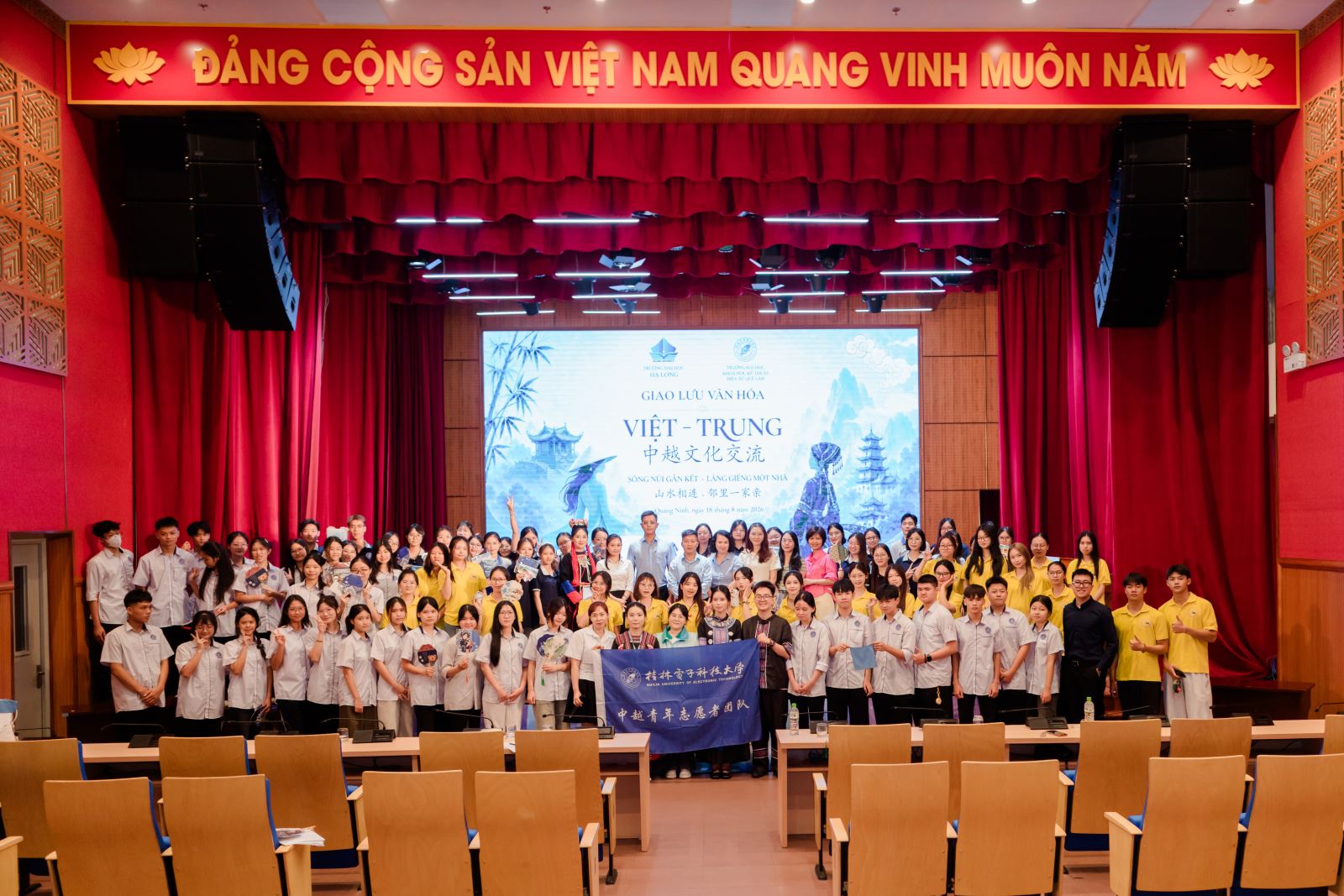
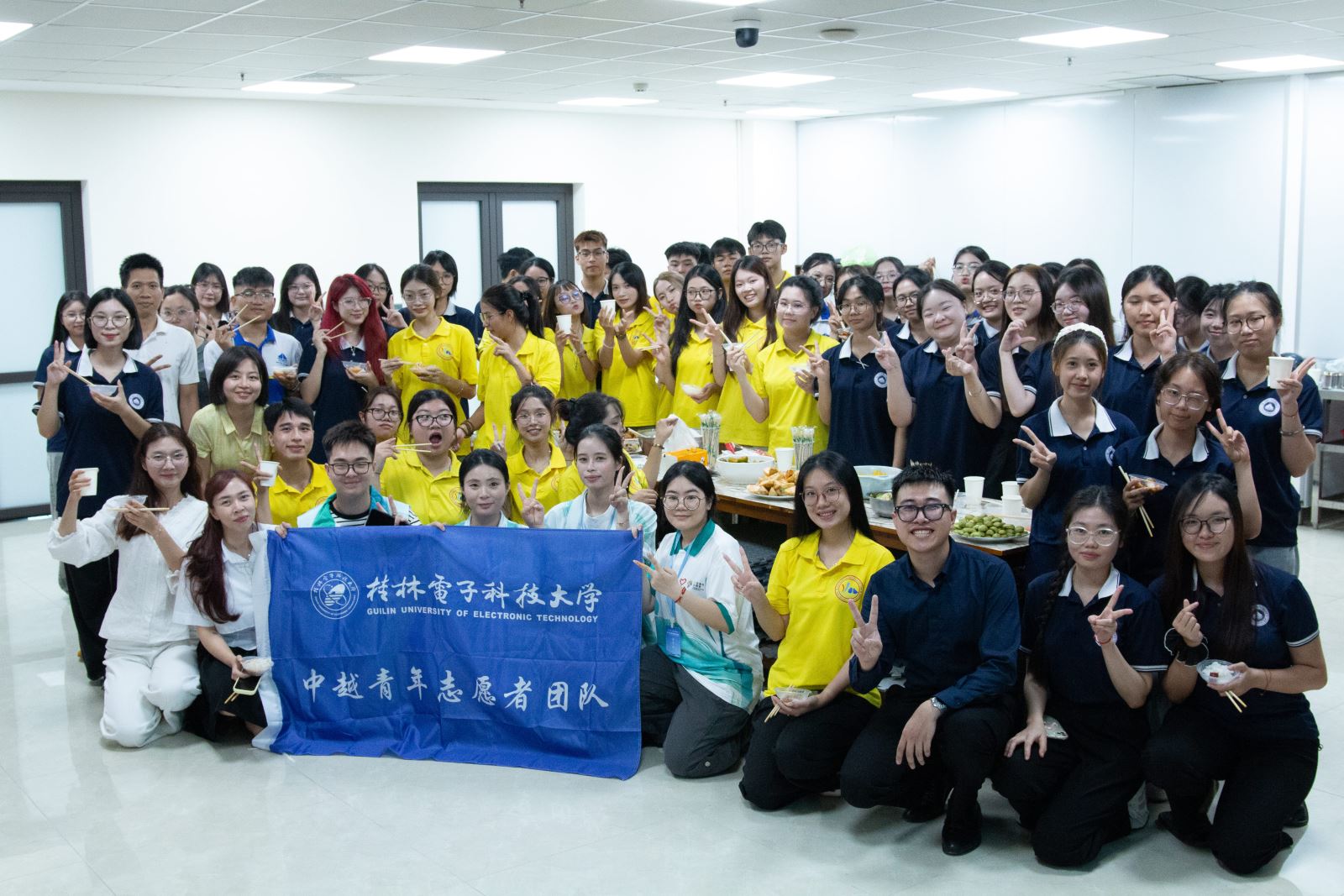
Students from both universities had the opportunity to introduce and enjoy traditional dishes and specialties from Guangxi, China, and Quang Ninh, Vietnam, as well as representative cuisines from Vietnam’s three regions.
Beyond tasting the dishes, students shared insights into their ingredients, preparation methods, and the cultural stories behind them. In this way, cuisine became a natural bridge, allowing young people to discover both similarities and distinctive features in the cultures of the two countries.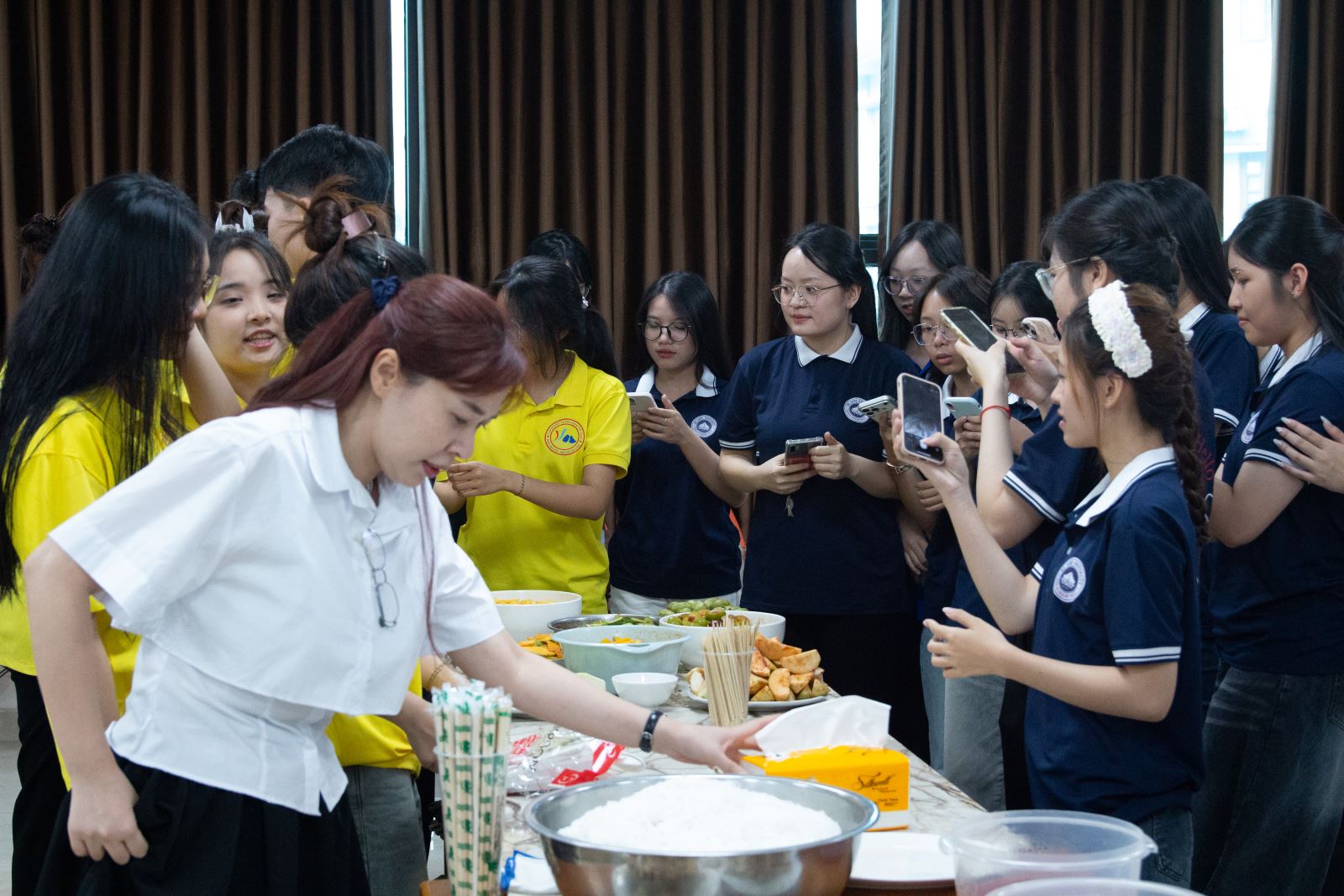
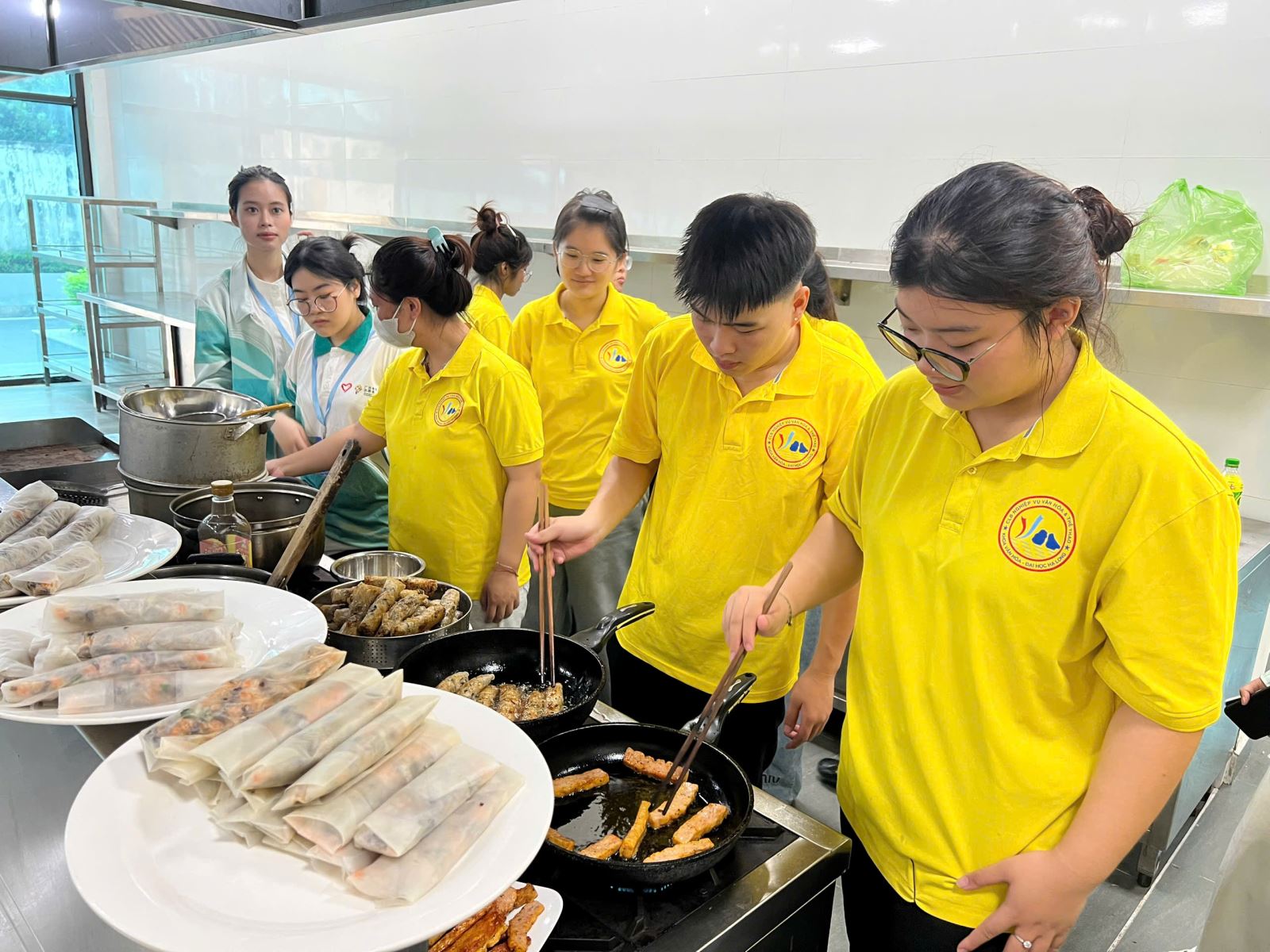
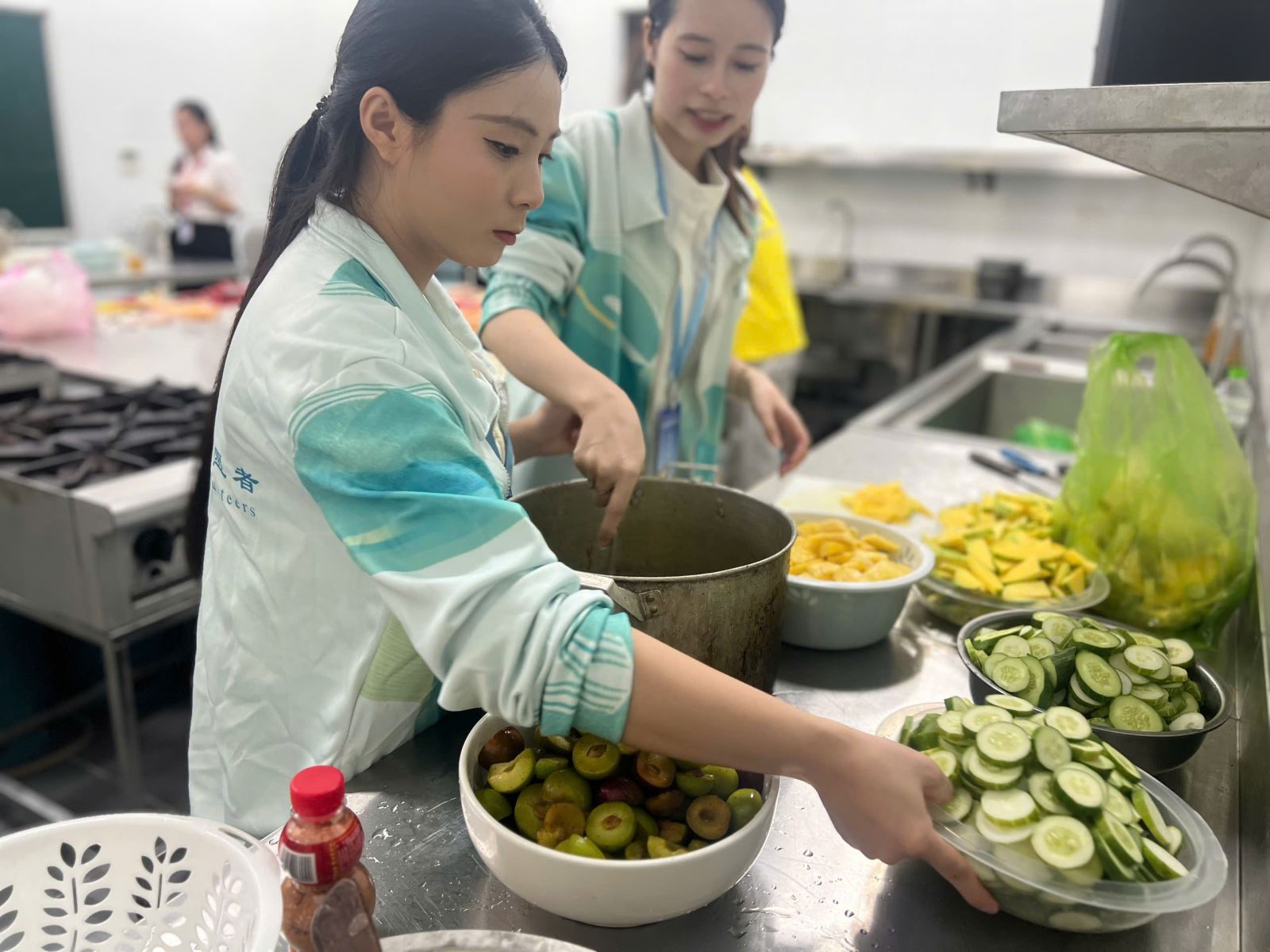
Preparation and scenes of the Viet Nam - China cuisine exchange program
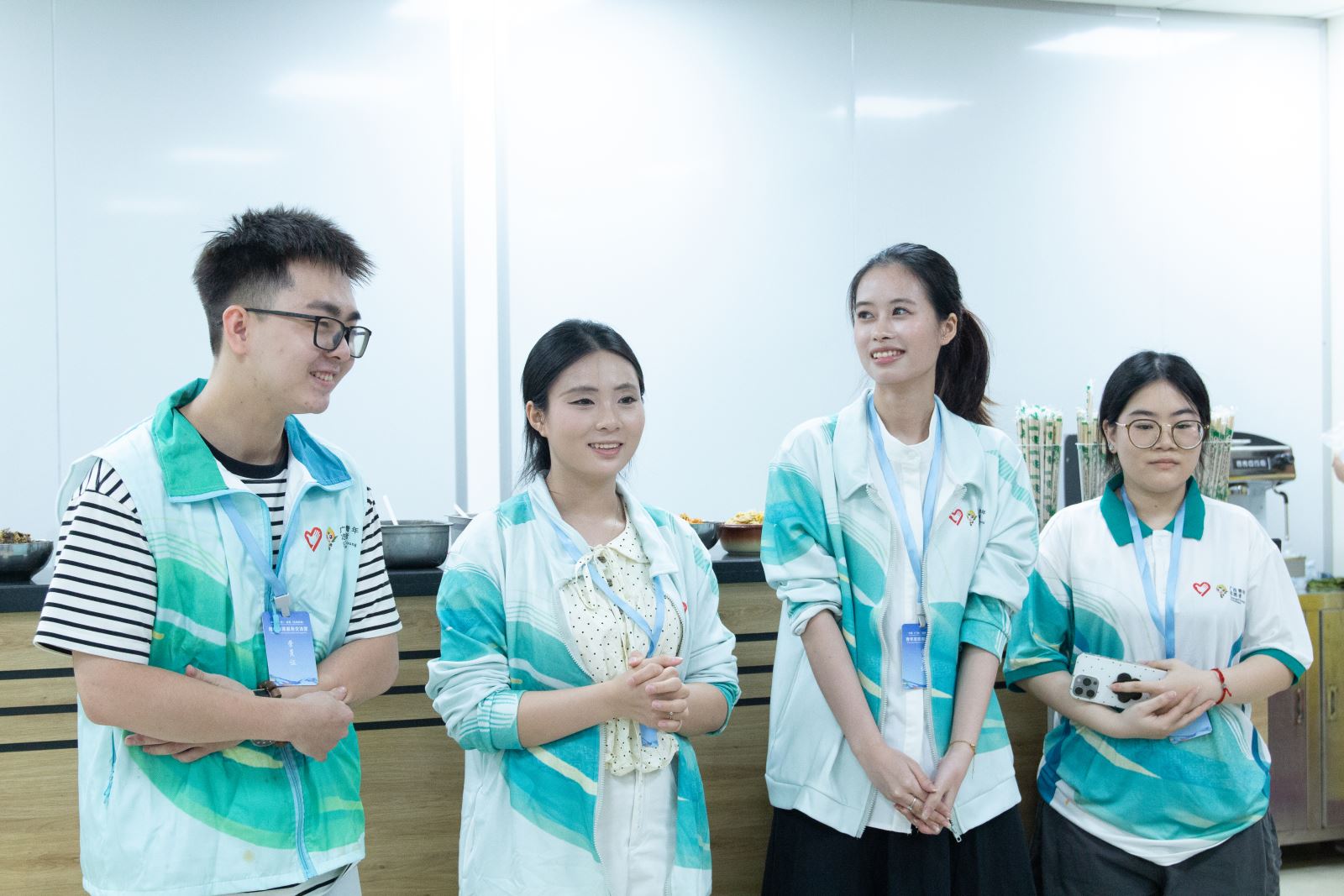
Students from Guilin University of Electronic Technology giving a presentation on Guangxi cuisine, China
As part of the cultural exchange activities, students explored the distinctive cultural traditions of the Zhuang and Yao ethnic groups in Guangxi and various ethnic communities in Quang Ninh Province. Through presentations and sharing sessions, students introduced stories about traditional customs, ways of life, and cultural identities, helping participants gain a deeper understanding of the cultural diversity of the two localities.
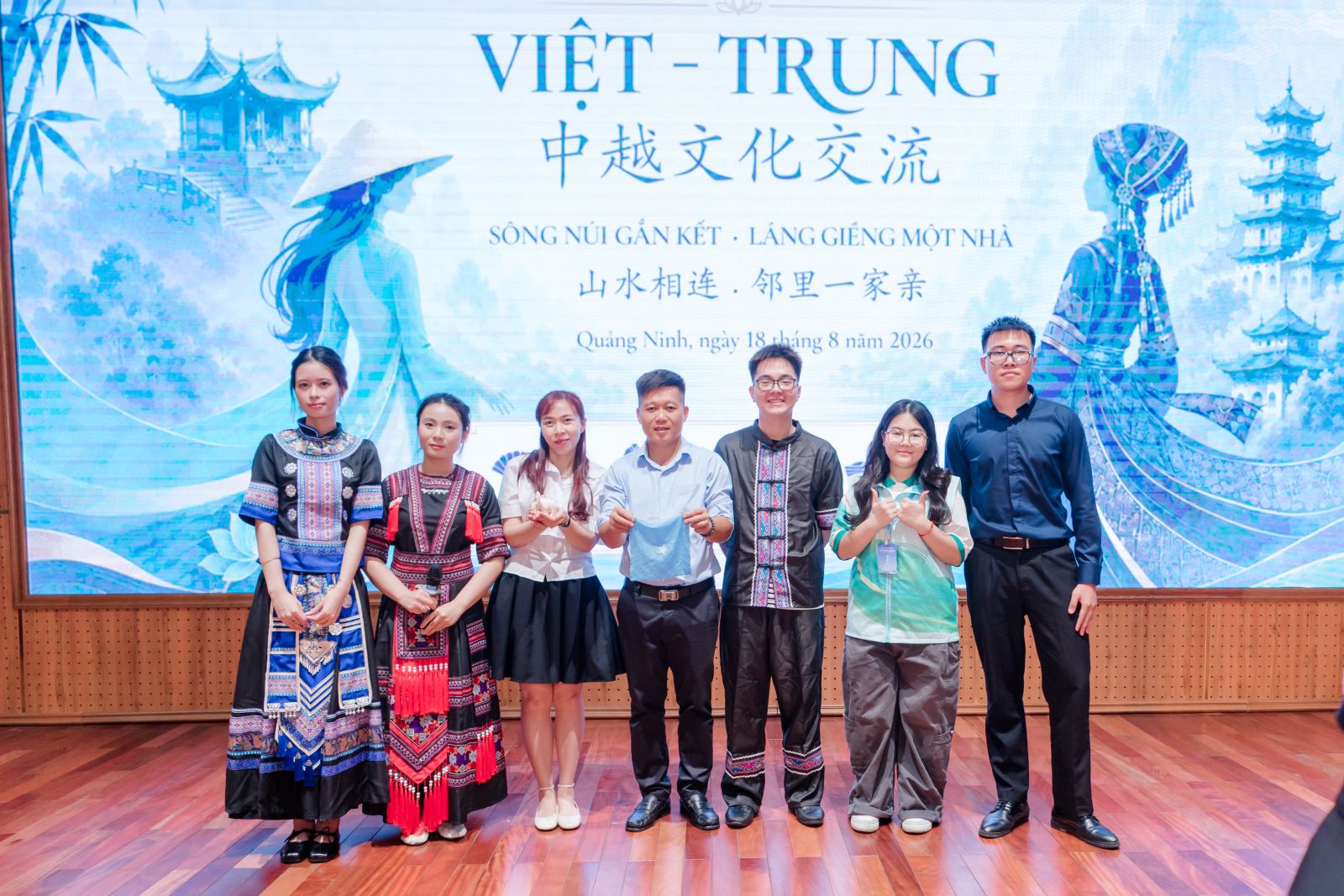
A highlight of the program was the opportunity for students to experience traditional fabric dyeing of the Zhuang ethnic group. Participants directly took part in the processes of folding, tying, and dyeing fabric to create unique traditional patterns.
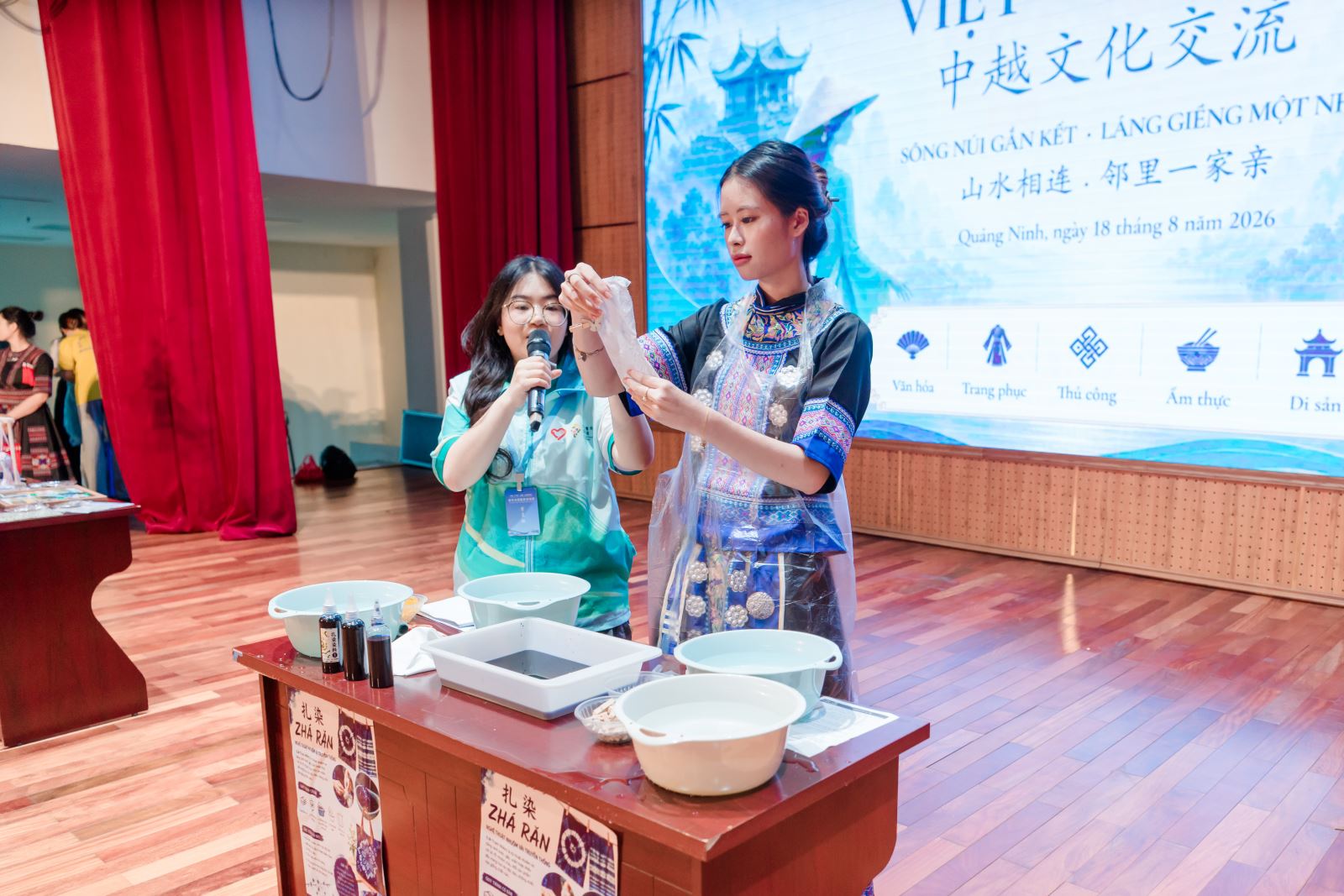
As part of the traditional costume exchange, students from both universities presented a range of traditional garments, notably Zhuang ethnic costumes from Guangxi and the Vietnamese Ao Dai. Each garment not only showcased its aesthetic beauty but also conveyed stories about the history, culture, and way of life of the communities that created and preserved them.
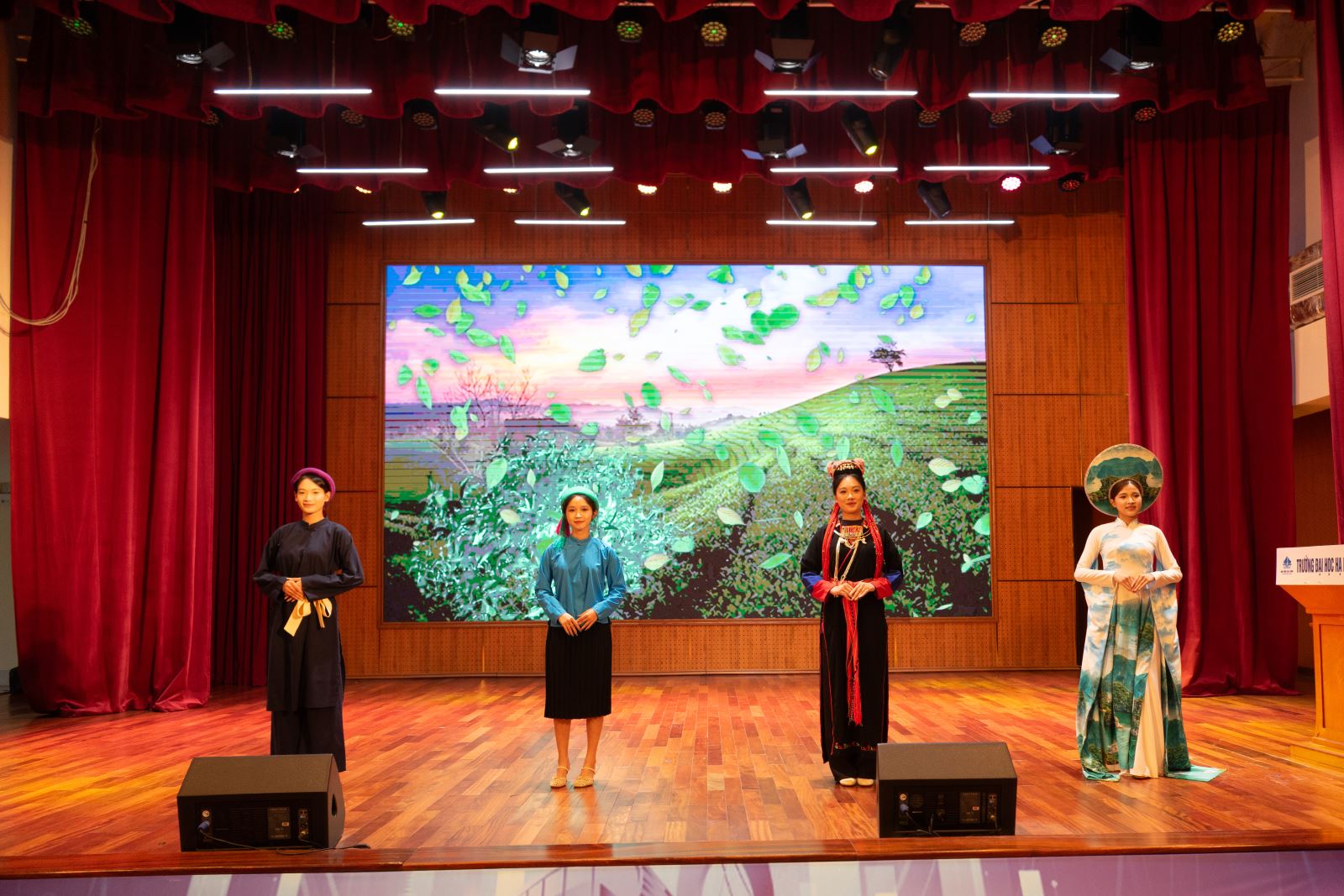
Traditional handicrafts and folk art products from the two countries were also displayed and introduced during the program. The activity provided students with an opportunity to learn about traditional craftsmanship and the cultural values embodied in each product, while also sharing perspectives on preserving and promoting traditional cultural values in modern life.
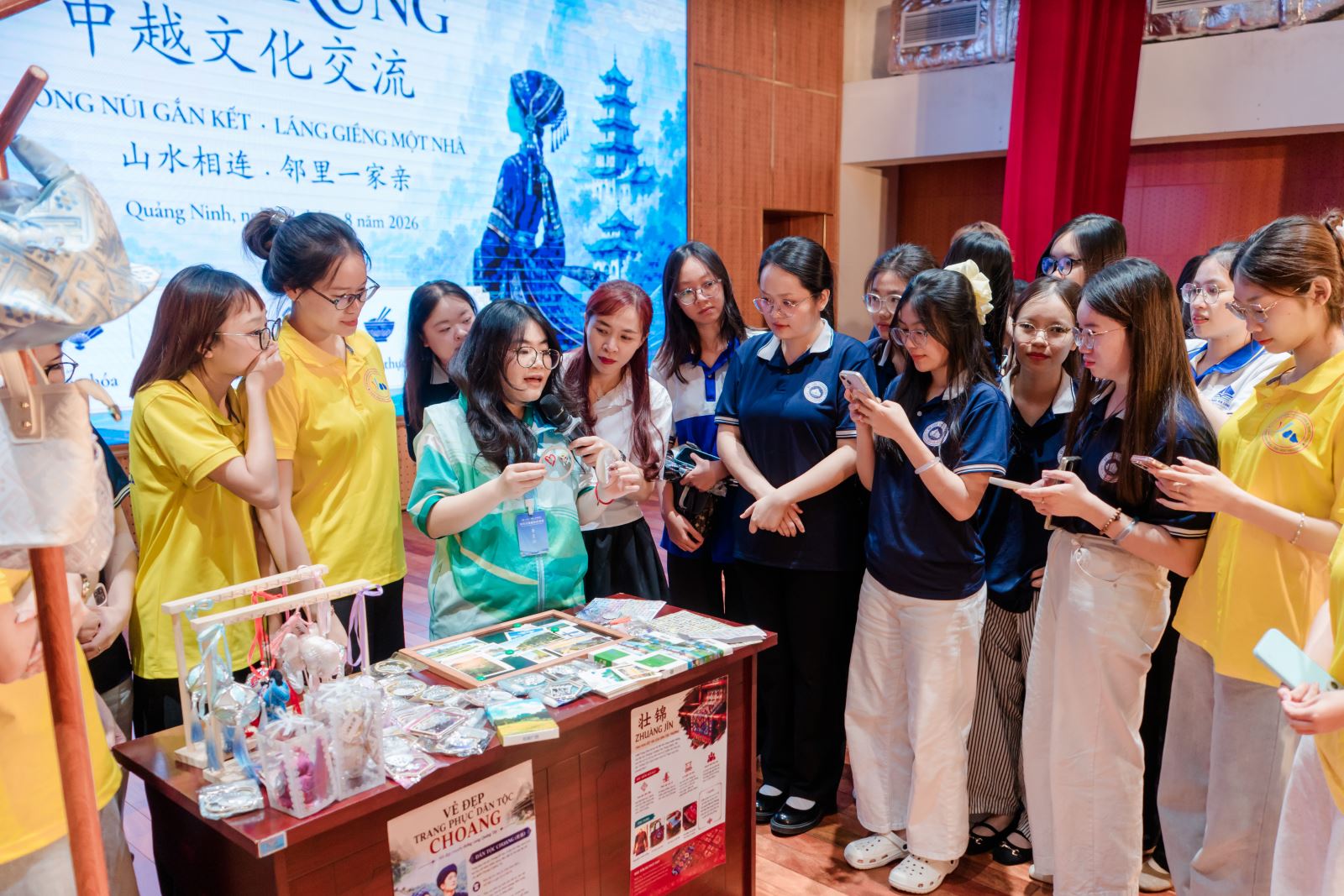
Through these diverse cultural experiences, the exchange program provided students of Ha Long University and Guilin University of Electronic Technology with opportunities to broaden their international experiences, strengthen cultural understanding, and foster friendship and connections between the younger generations of Vietnam and China.
Nguyen Thanh Hien – Office of International Cooperation and Science Management


Bình luận